
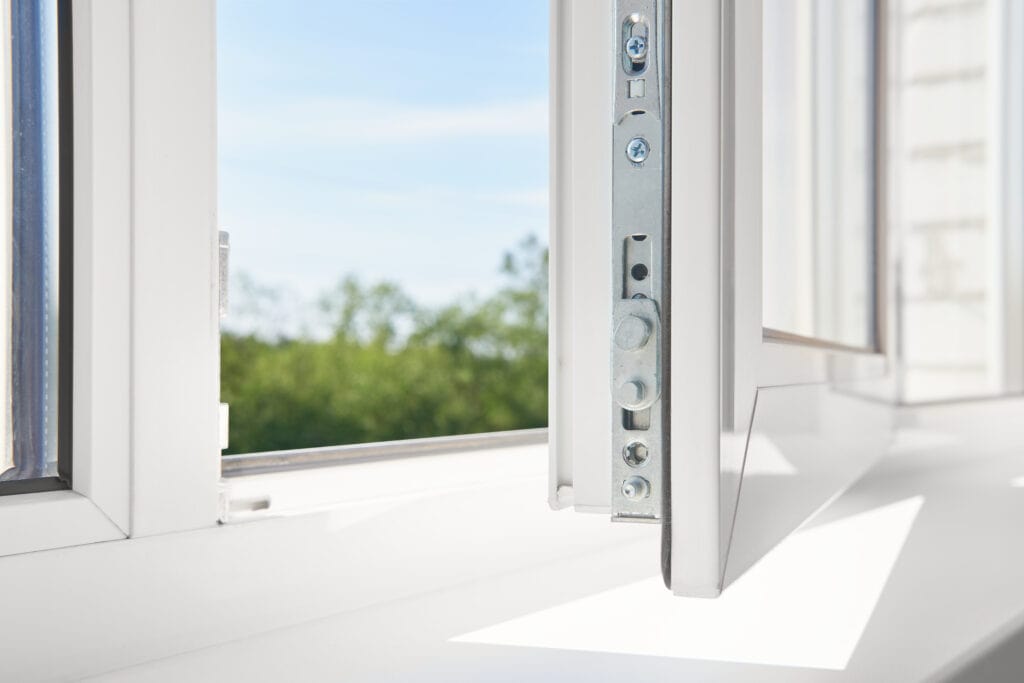
Windows are crucial for both security and insulation in any home, and ensuring their locks are functioning correctly is vital for peace of mind. Over time, however, window locks can wear out or break, and when this happens, replacing them becomes a priority. Fortunately, changing a window lock can be a straightforward task that can be completed with minimal tools. This blog will guide you through the process of changing a window lock, offering practical tips and advice that will ensure your home remains secure. Of course, we would recommend speaking to a professional locksmith for advice too!!
Understanding Window Lock Types
Before diving into the process of changing a window lock, it’s essential to understand the different types of window locks available in the UK market. Window locks vary based on the window style and material. Common types include sash window locks, casement window locks, sliding window locks, and uPVC window locks. Sash window locks are typical in traditional properties, while casement locks are more common in modern homes with side-hinged windows. Sliding windows, often found in conservatories or older properties, use locks specifically designed to prevent the window from being lifted or slid open from the outside. uPVC windows, on the other hand, are found in many newer homes and have specific locking mechanisms. Knowing the type of window lock you are working with is crucial because it will determine the replacement lock you purchase and the steps you take during the installation process. Always check the lock’s brand and model if possible, as some window manufacturers have proprietary locking systems that require specific replacements.
Tools and Materials Needed
Once you have identified the type of window lock that needs replacing, gather the necessary tools and materials. Typically, you will need a screwdriver (Phillips or flathead, depending on the lock type), replacement screws if the old ones are damaged or rusted, a replacement lock that fits your window type, and some lubricant like WD-40 to ensure smooth operation of the new lock. If your window lock is rusted or has become difficult to remove, a drill with a small bit might be necessary to loosen the screws. In some cases, especially with older wooden windows, you may also need wood filler if the existing screw holes have become worn out.

Removing the Old Lock
To begin, open the window fully to ensure easy access to the lock. If the window is jammed due to the lock’s failure, you may need to carefully apply pressure or use a lubricant to get it open. Once the window is accessible, examine how the lock is attached to the frame. Most window locks are screwed into place with two or more screws. Use your screwdriver to remove the screws holding the lock in place. If the screws are stripped or rusted, applying some penetrating oil and letting it sit for a few minutes can make them easier to remove. If the screws are still not budging, using a drill or extracting tool might be necessary to avoid damaging the window frame. Once the screws are removed, carefully lift the lock away from the window. Be mindful of any mechanisms or catches that may be attached to the window frame or sash, as you’ll need to reattach these later when fitting the new lock.
Preparing for the New Lock
With the old lock removed, inspect the area where the lock was installed. Check for any signs of damage to the window frame or the locking mechanism. If you notice any issues, such as stripped screw holes or rotting wood, now is the time to address them. Wooden frames may require some wood filler to repair the screw holes before you can attach the new lock. If your window is uPVC, ensure that the screw holes are still solid and haven’t been damaged over time. Clean the area where the lock will be installed, removing any dust or debris. This will ensure the new lock sits flush against the window frame and operates smoothly.
Installing the New Lock
Position the new lock in the same location as the old one. Align it with the screw holes from the previous lock, ensuring that it sits evenly and correctly. If your replacement lock came with a template, use this to guide your installation. Insert the screws through the lock into the window frame or sash, tightening them carefully with a screwdriver. Be cautious not to over-tighten, as this could strip the screw holes or crack the frame. Once the lock is securely in place, test it to ensure it operates smoothly. Open and close the window, locking and unlocking it to check that it functions as intended. If you notice any stiffness or difficulty in operation, apply a small amount of lubricant to the moving parts of the lock. This will help ensure that the lock functions smoothly over time and reduces wear and tear on the mechanism.
Testing the New Lock
After the new lock is installed, it’s essential to test it thoroughly. Ensure the window closes securely, and the lock engages properly. If the lock doesn’t align correctly with the latch or catch, you may need to adjust its position slightly by loosening the screws and realigning it. Once you are satisfied with the alignment, give the window lock a few more tests, ensuring that it works as expected. A properly functioning window lock should offer a secure seal when locked and allow for smooth operation when opening or closing the window.
Final Thoughts From Access Assured Locksmiths
Changing a window lock is a relatively simple task that can greatly enhance your home’s security. Whether you’re replacing an old or broken lock or upgrading to a more secure mechanism, the process can be done with a few basic tools and a bit of patience. Taking the time to ensure that your locks are working properly is essential for maintaining both the safety of your property and the comfort of your home. If you find that replacing the lock doesn’t solve your issue or if the window continues to have problems closing or locking securely, it might be worth consulting a professional locksmith or window specialist. However, for most standard repairs, the steps outlined above should help you confidently change a window lock and restore security to your home. Contact the experts at Access Assured Locksmiths for more tips and advice.